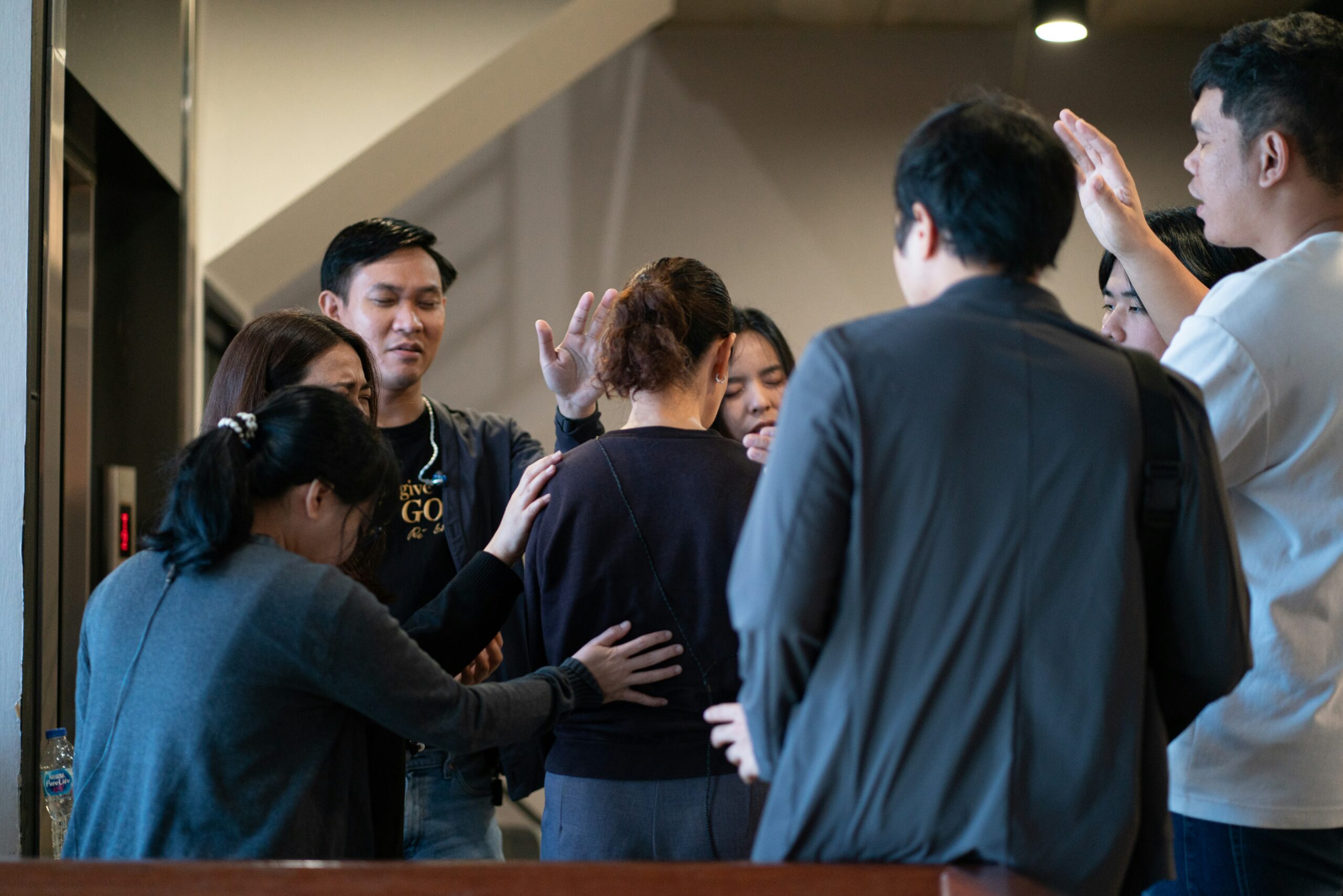
In April 2026, the Convene team hosted a community conversation at the Galano Club, where participants shared perspectives and lived experiences related to recovery, housing, communication barriers, and navigating substance use support systems in Travis County. Throughout the discussion, community members emphasized the importance of stronger coordination between organizations, easier access to information, and more connected systems of support.
Participants described the current recovery landscape as fragmented and difficult to navigate, particularly for individuals trying to access help during moments of crisis. Community members discussed how treatment providers, nonprofits, city and county programs, churches, and recovery organizations often operate separately despite serving overlapping populations. Many participants expressed interest in creating a more collaborative and centralized approach that would allow organizations to share information, resources, and updates more effectively.
A major theme throughout the conversation was the need for centralized resource hubs. Participants discussed both physical and digital models where individuals could access information about treatment, recovery housing, employment opportunities, healthcare, mental health services, legal aid, food assistance, transportation, and identification support in one place. Community members emphasized that many people in recovery struggle to navigate multiple disconnected systems while also managing immediate survival needs.
Participants also highlighted communication and accessibility barriers that make it difficult for people to connect with available services. Community members shared that many individuals lack reliable access to phones, Wi-Fi, transportation, or identification documents. Others discussed how information is often spread informally through word of mouth rather than through coordinated outreach efforts. Suggestions included improving communication through buses, QR codes, libraries, recovery clubs, flyers, centralized websites, and community partnerships.
Housing and long-term recovery support were also identified as significant challenges. Participants discussed the high cost of sober living environments, limited access to affordable recovery housing, and the importance of support systems that continue after treatment ends. Community members described how some individuals are unable to leave family responsibilities for traditional residential treatment and may benefit from alternatives such as intensive outpatient programs (IOP) and community-based recovery support.
The conversation also explored the importance of creating inclusive recovery systems, affirming, and responsive to individual needs. Participants discussed barriers faced by LGBTQ+ individuals, particularly transgender community members seeking safe housing, affirming healthcare, and continued access to medications. Community members emphasized that people experience recovery differently and that support systems should reflect a range of identities, experiences, and safety concerns.
Participants additionally discussed the importance of mental health services, employment support, transportation assistance, and peer navigation. Many emphasized that individuals often need “tour guides” or navigators to help them understand available options and connect with the right resources. Others discussed the need for stronger collaboration between for-profit and nonprofit organizations, recovery communities, and public systems in order to strengthen the overall continuum of care.
Throughout the discussion, participants repeatedly emphasized the importance of creating systems that are easier to navigate, more collaborative, and grounded in the realities people experience during recovery. Community members described the need for practical support, stronger communication, and more coordinated community partnerships that help individuals access care, maintain stability, and build long-term recovery.
Key Takeaways
- Participants emphasized the need for centralized resource hubs that connect individuals to housing, treatment, healthcare, employment, and recovery supports.
- Community members described barriers related to phones, Wi-Fi access, transportation, identification documents, and fragmented communication systems.
- Affordable recovery housing, long-term support, and alternatives to traditional treatment models were identified as ongoing needs.
- Participants highlighted the importance of LGBTQ+-affirming services, safe housing options, and individualized approaches to recovery support.
- Community members discussed the value of peer navigation, coordinated outreach, and stronger collaboration between organizations and systems.
- Participants emphasized the importance of creating more connected, accessible, and community-informed recovery support systems across Travis County.